Members now have the option to receive text updates. Don’t miss out on important events or reminders. SCHSB will only send messages that are about important events like Water Trough Chats, webinars, and workshops hosted by us, or upcoming dates such as elections or membership renewals. We expect to send no more than one or two messages per month. We will not bombard you with multiple text messages. We all know how annoying those marketing messages can be!
To sign up, you can head over to this sign-up page, or text Join with your email (e.g. Join sheep@mymail.com) to 740-923-8940.
Meeting called to order 29 Jan 2026, 8:05pm Eastern by Jason Webster. In attendance: Jason Webster, Lori Marion, Amy Wheeler, Kirk Barton, Crystal Criswell, Tamara Lambdin-Abney, and 9 guests.
Next Elections – December 2026 – 5 seats open (2 currently vacant)
Annual Report
Presented by Crystal Criswell
SCHSB Numbers
There are over 20,000 animals in our registry since the beginning of recording. Flock numbers for 2025 include 990 Registrations and 557 Transfers. During 2025 we gained 49 new members and 76 members renewed their memberships. When viewing historical data, treat the 2024 numbers with caution as there may be a reporting error because that was the first full year we used Grassroots.
Fiscal Report
For 2025 our total revenue was $14,246 and total expenses was $14,970. We basically broke even which is what a non-profit is supposed to do. We spent $6,592 on administrative and operational expenses, and $8,378 on our programs. Our opening balance was $19,387.00 on January 1, and we ended the year with $18,660.12.
Accomplishments
Presented by Lori Marion
Launched Water Trough Chats
First Thursday of the month at 7pm Eastern.
The link is on the website and in Facebook and it’s the same link every month
Breeders can bring questions to talk about issues with one or several directors and experienced members there. It’s a way to get multiple viewpoints and options and solutions.
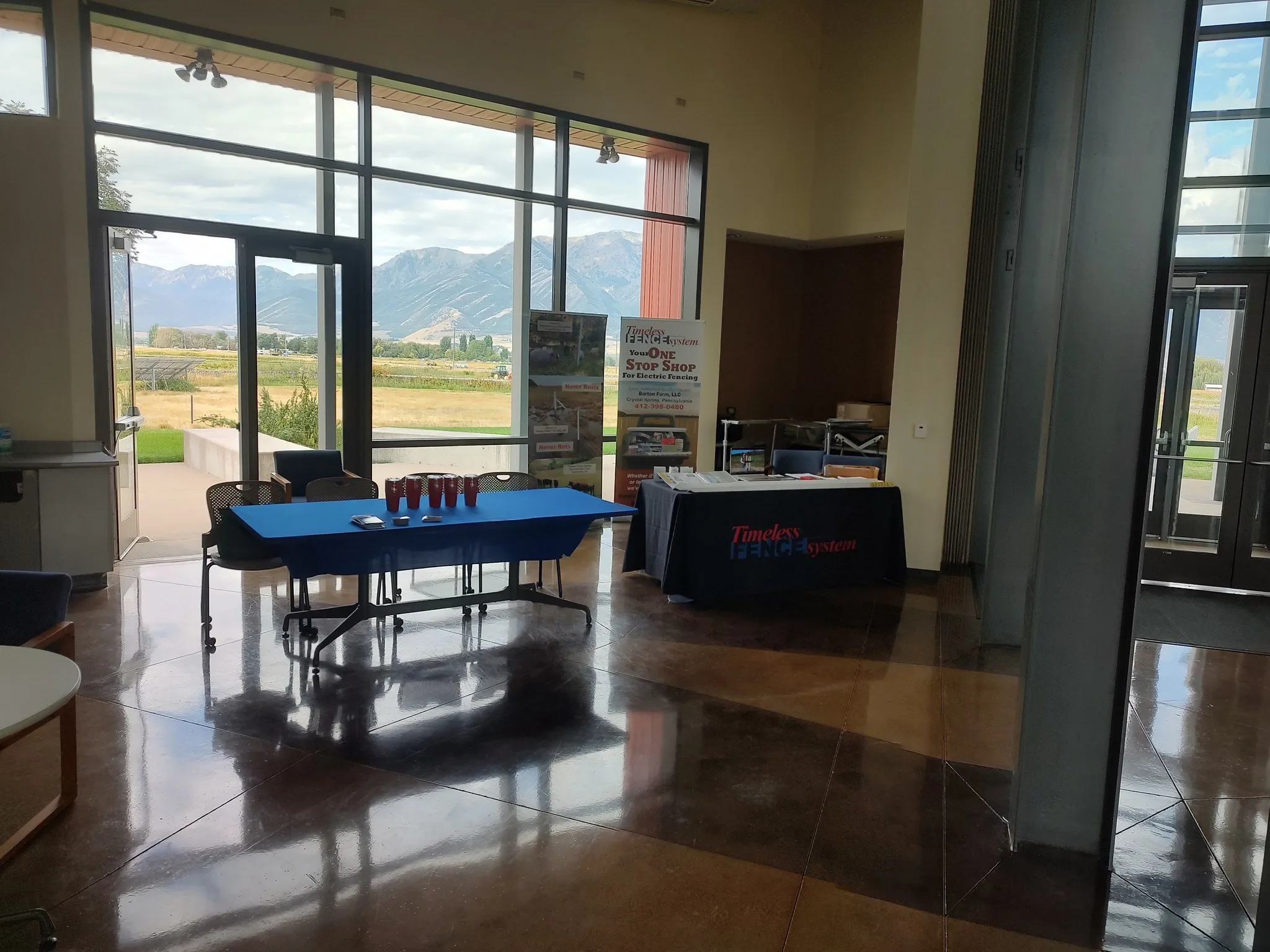
Co-hosted the 50th year celebration at the USU Shepherds Symposium
We’d like to recognize Dr. Chad Page, at USU who was very helpful at setting this up!
About 35 members were able to attend either in person or virtually.
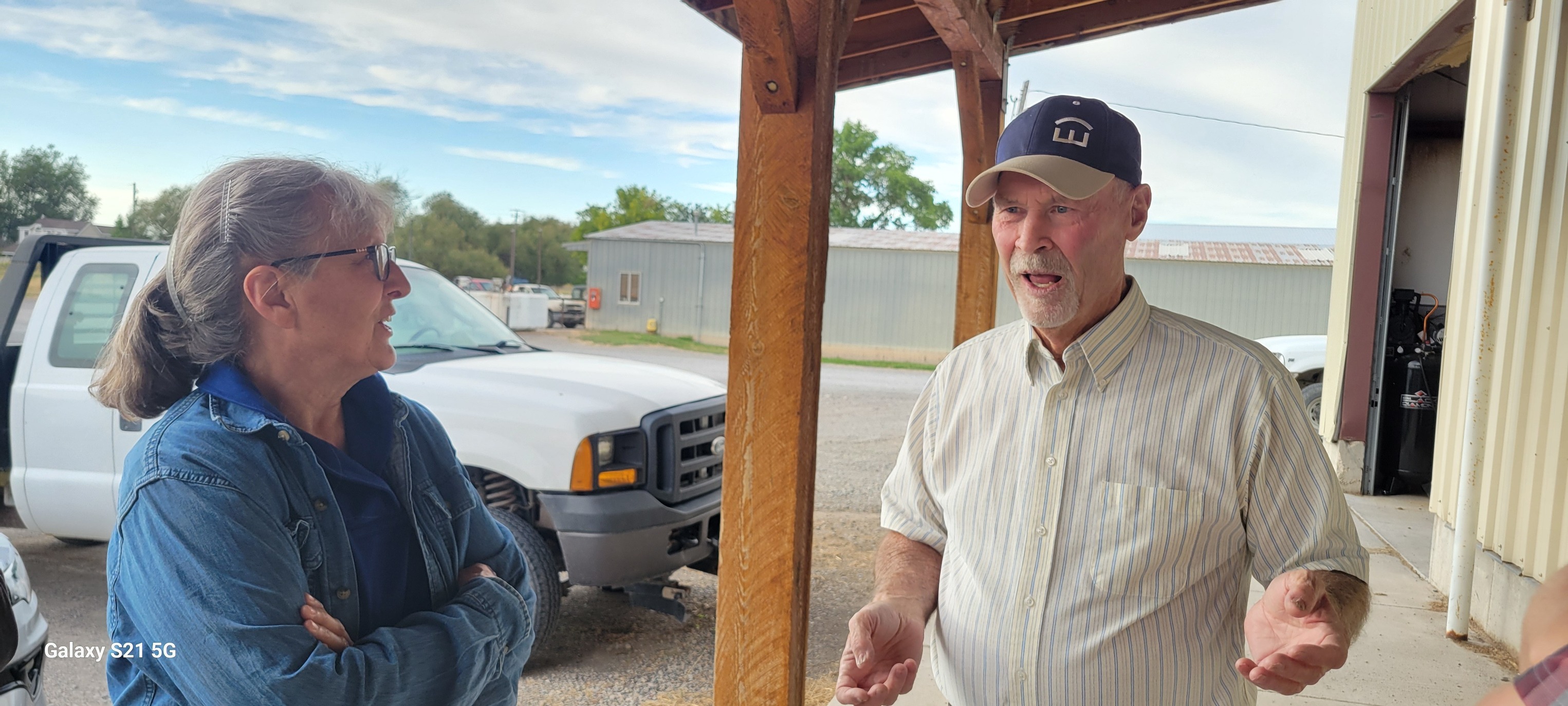
We had an opportunity to speak with Cole Evans who initiated the very first registry. He handled and worked with the original St. Croix.
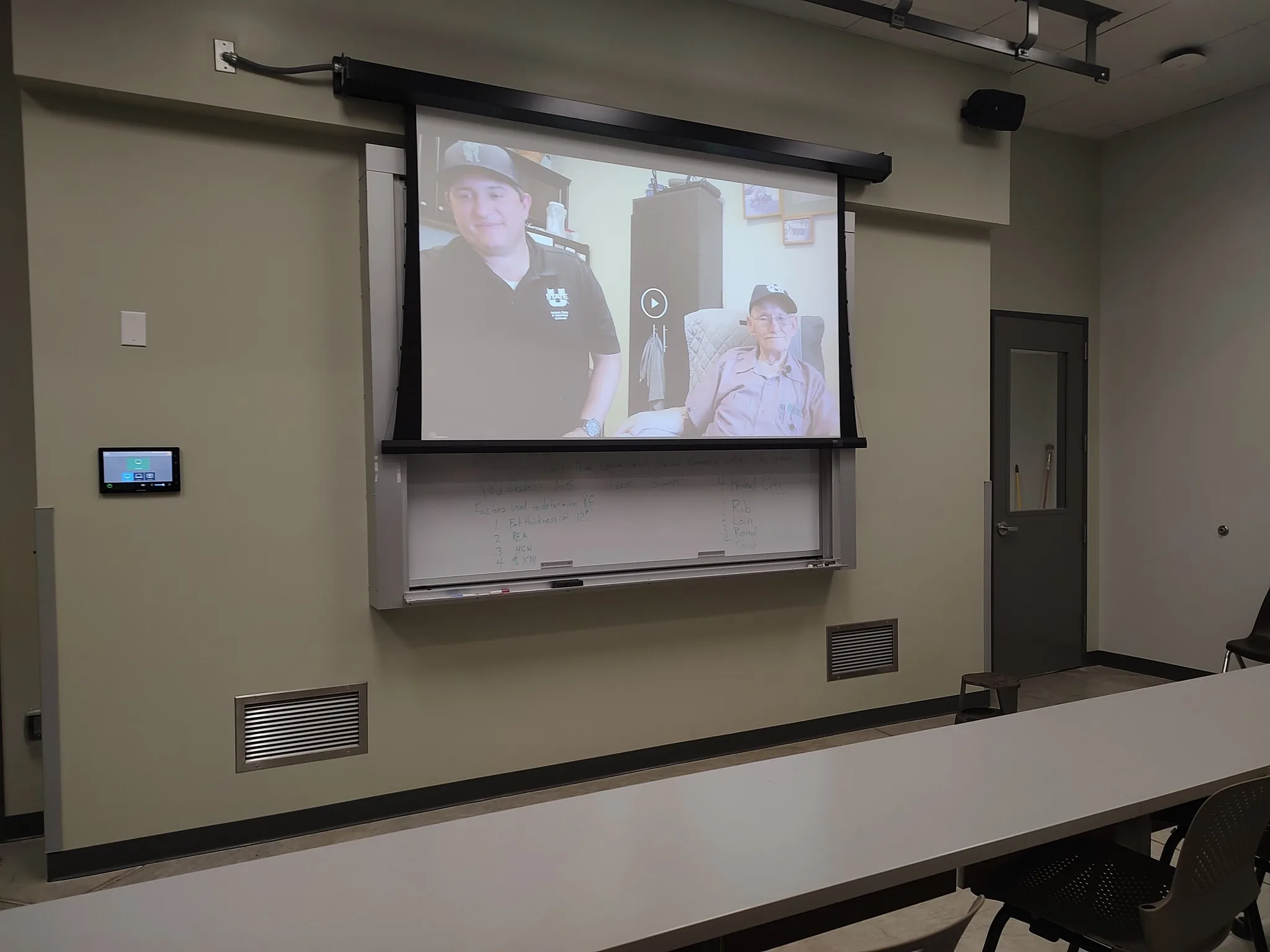
Included a video interview with Dr. Foote, who directed the program, and more or less wrote the book on St. Croix when they were first imported. He’s now in his 90s.
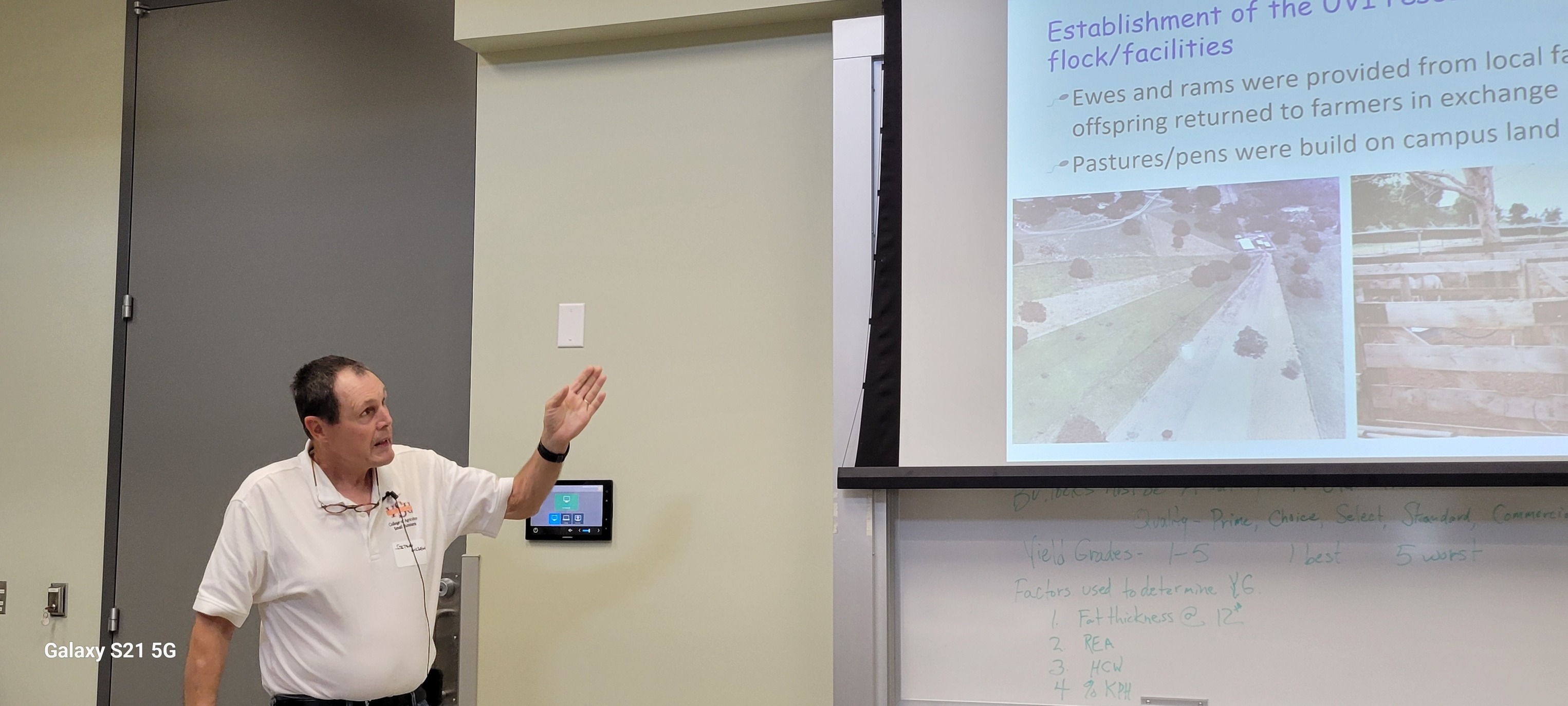
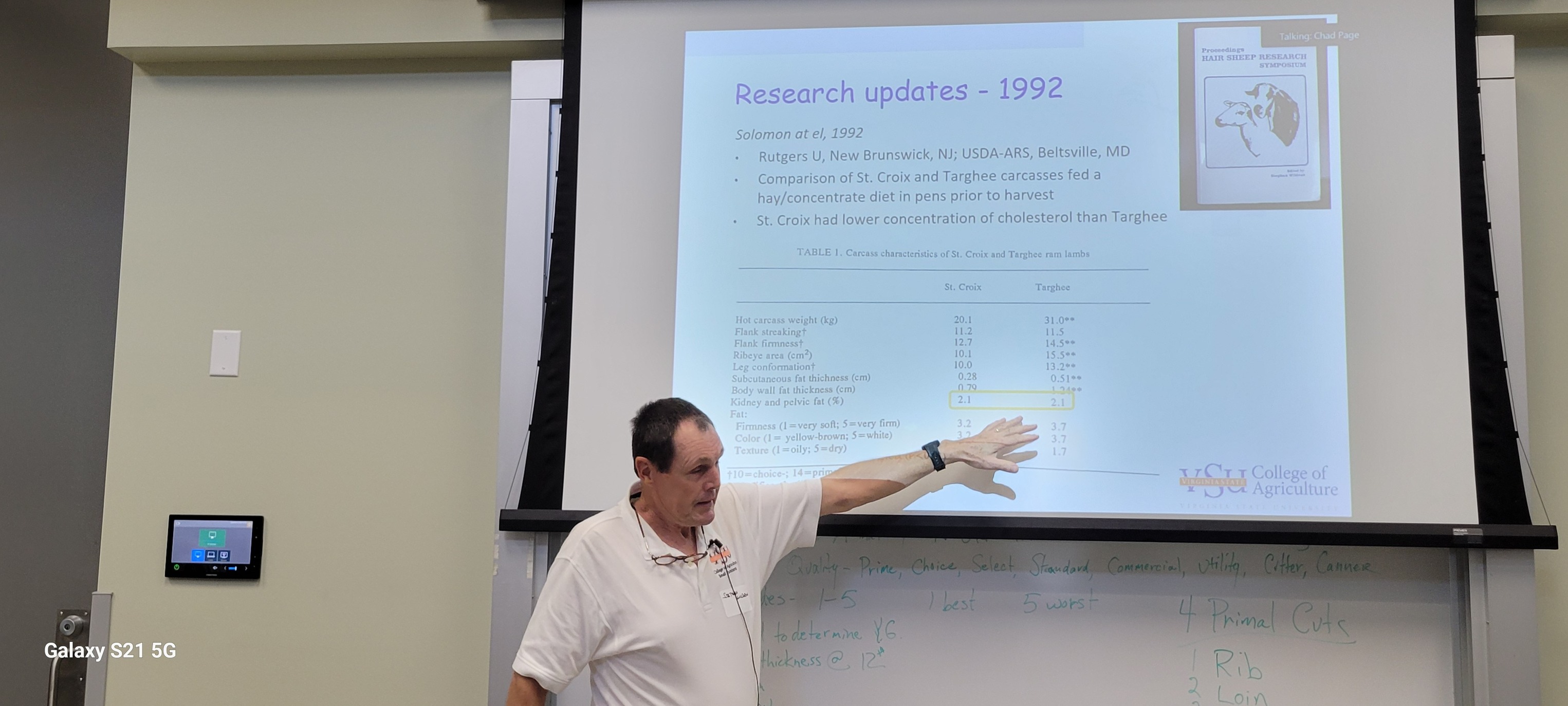
We had presentations by Dr. Wildeus of Virginia State, Dr. Rios of the University of the Virgin Islands and Scott Bowdridge of West Virginia University as well as by USDA personnel about managing predation by wildlife drone use, and toxic weed identification.
Videos of each session are available on the SCHSB YouTube channel.
Continued work with the Genetics Project
We had a meeting with an eight-member committee through 2024 to determine a direction for the future of the project.
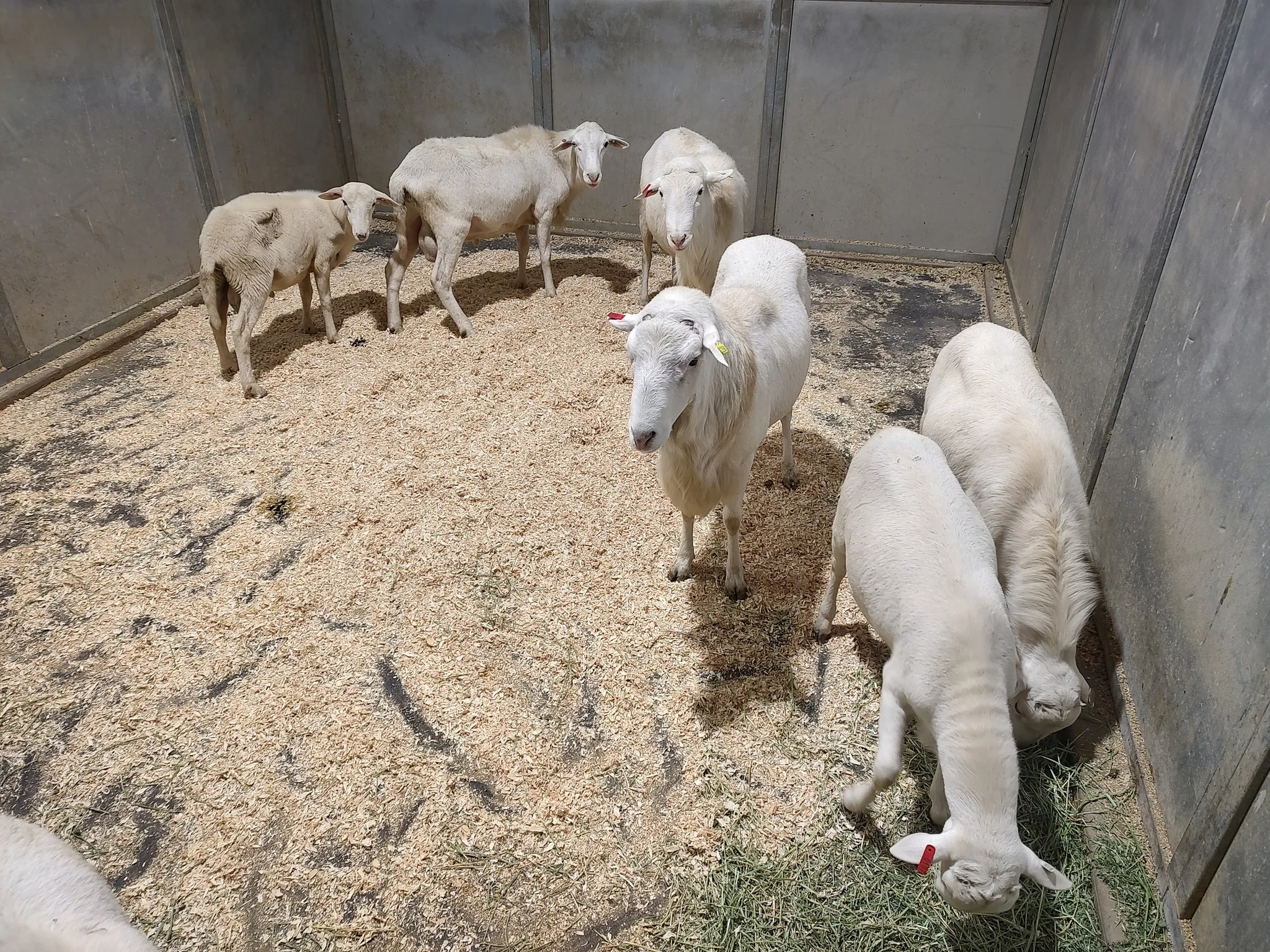
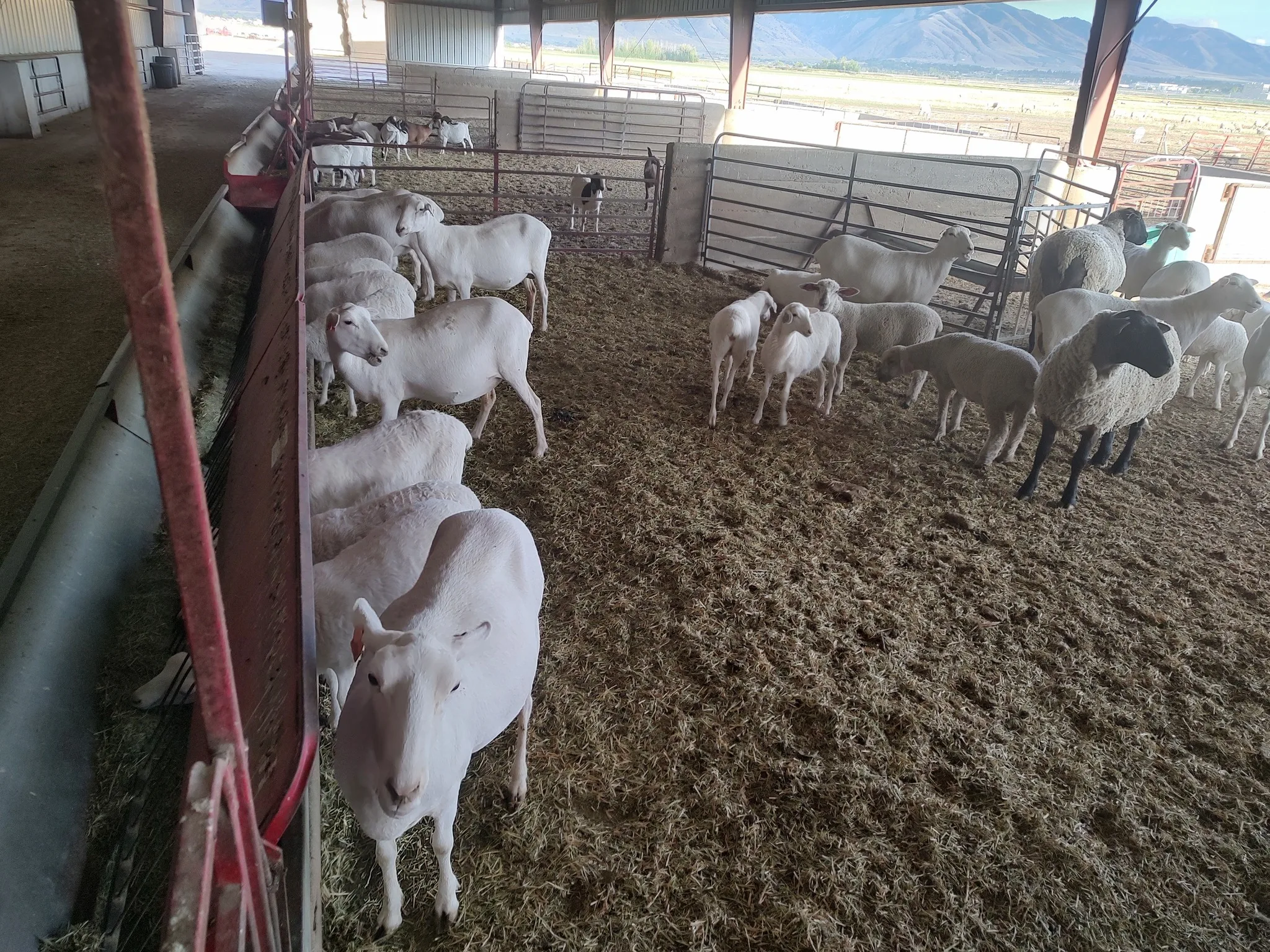
Ten samples are being analyzed from USU and VSU. These university-based extension research flocks will be evaluated for purebred status, with the possibility of returning the flock to the registry.
More details coming later in the meeting under “Genetics Project Update”
Added Classifieds to website
By popular member request, we’ve added classifieds to the website, while the listings in Grassroots are still available there at no charge.
There is a nominal charge for advertising to cover the program that’s used to maintain the safety of member’s information and the formatting.
Expanded our advertising efforts.
American Sheep Industry Association’s Sheep Industry News
The Livestock Conservancy breeder’s directory and quarterly newsletter.
We’ve also had some members attend some local sheep events
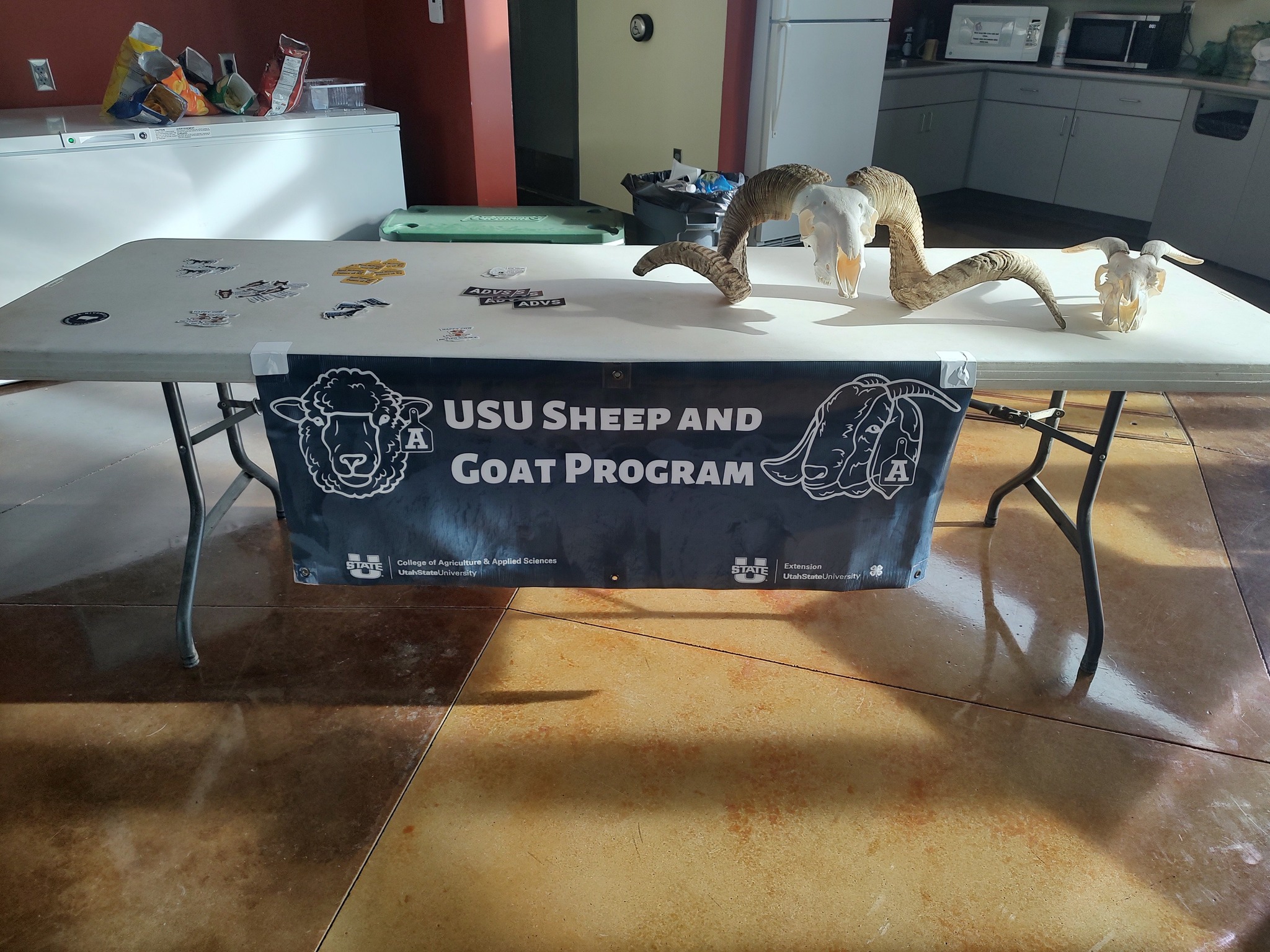
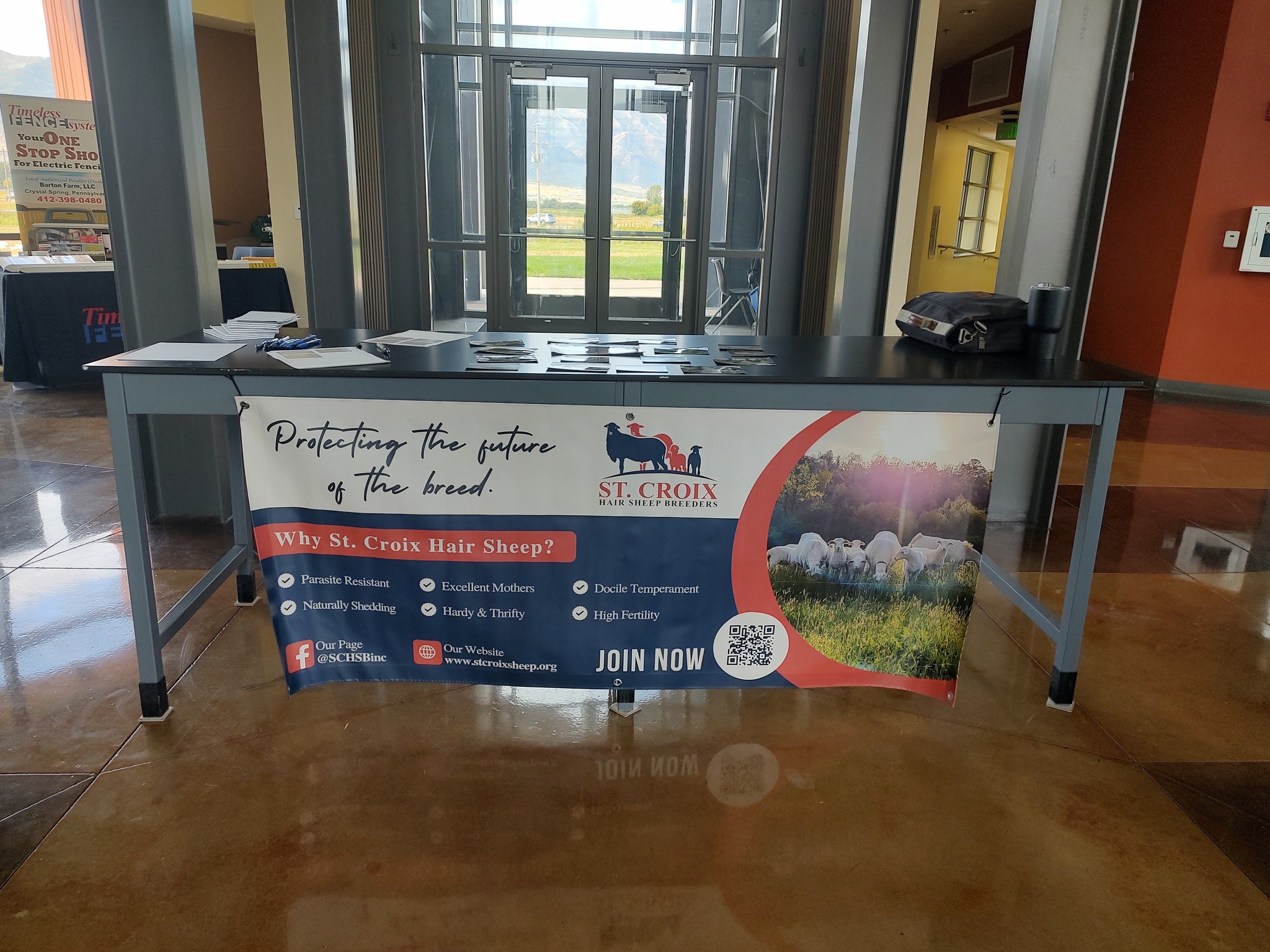
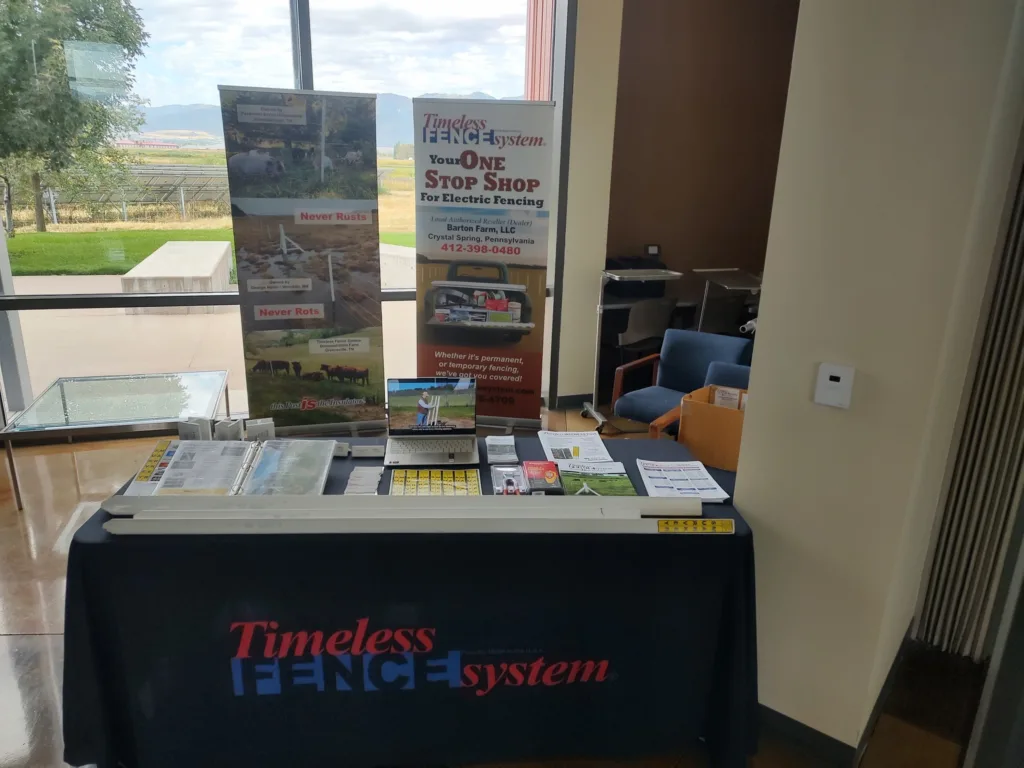
We have a banner that we can loan to a SCHSB member who’s attending a sheep or an AG presentation and exhibiting there.
Also have pamphlets and business cards to help people find us.
Genetics Project Update
Presented by Lori Marion
Between 2022-2024, 15 members submitted 93 samples from phenotypically diverse St Croix sheep. Analysis shows that St Croix sheep cluster distinctly apart from other breeds, including other breeds that originate in the Caribbean. Dr. Brenda Murdoch from the University of Idaho is still involved and is helping us with interpretation of the genetic results.
University flocks were invited to submit samples as a pilot for registry re-admittance. Utah State and Virginia State have each submitted 5 samples, which are being analyzed now. This encourages universities to use St Croix sheep in their research. Benefit to association and membership is that any research done using these flocks clearly applies to sheep in the SCHSB registry. A good relationship with these flock managers gives access to expert shepherds with first-hand knowledge of the breed.
If anyone is interested in the genetics project, please contact us. You don’t have to be a director to be involved, although that would be great if that was your entryway into the board. We welcome your participation.
We would like a member committee to put this together
Host at least 1 member educational webinar and Annual Meeting.
Annual business meeting in January via Google Meet
At least 1 member educational webinar, perhaps in the Fall, maybe another in the Spring?
Test Genetics Project re-entry process with University flocks.
Recruit at least one new board member appointee. It is great to have a full board for more points of view.
Director elections 2026
Promote member involvement
Monthly Water Trough Chats, periodic member newsletters, and news posted to website. Please come and hang out with us for Water Trough Chats. They’re super casual. You don’t have to dress up and look great, you can come right from your barn and hang out with us and talk about whatever happens to be going on for you in the barn/pasture.
Members are more than welcome to write articles for our newsletters if they see something isn’t covered and they happen to have a lot of experience with it. The more the merrier! There’s lots of articles posted on the website. Browse through many of the older articles as well as the newer ones coming in from the newsletter.
Q & A Session
TS asked if we can bring back the SCHSB phone for member questions.
JW answered: We can take that under advisement. Our problem is, and I’m not against having a phone, but what our problem is that we don’t exactly have enough people that we can have somebody to man that phone. I know that it’s not a big burden that there’s not people calling all the time, but with the different time zones makes it difficult. I found what works with my own personal farm, is we have the website form that people can submit questions with their phone number, and then we call them back at a time that we can get a hold of them, and not like four in the morning if it’s somebody from across the coast. So that’s kind of why we decided to do that. We will be open to talking about continuing a phone, but we would need somebody that would be willing to man that phone. It would require a board decision at this point to bring it back.
AF – I also wanted to say, I really enjoyed the symposium. I wish I could have come to this symposium but I really enjoyed it even on-line, being able to watch. That was just really educational and well worth watching. So thank you for all the work you did. I know that was probably a whole lot of work putting that together.
AF – I like the Water Trough Chats. I have come to some of the chats when I have a chance and it’s just really nice to be able to talk to people that are knowledgeable, and especially, specifically, with this breed. Especially in the world of all the crazy Facebook armchair experts. And you see some wild things out there. So it’s good to talk to people that actually do this day to day, you KNOW that they’re doing it day to day, and you’re getting good advice. So I’ve really enjoyed coming to those.
PM – I’ve enjoyed the water trough chats and I appreciate all of the help and you guys putting in you know your time to to be there and answer silly questions that I’ve had. I’ve been there, I don’t know, probably most of the meetings, and a lot of times, it feels like it’s often-times been just me and a couple others. You get a lot of well, you know, a lot of personal attention so that’s really been nice. I know that you all would like to grow it. So yeah, I would encourage everybody to try it out because I don’t think they have anything to lose and they potentially could find that it’s very interesting to them, and they get a lot of benefit. I feel, I think we have a lot of members that probably are in my league which is, you know, relatively new. So you know just hearing discussions you just pick up on different things that sometimes you didn’t even realize that you needed to be thinking about. It’s been very positive and I can’t, I mean I can’t say enough, how appreciative I am that you guys are doing it. I hope more people will give it a try.
AF – This is just kind of a silly comment. I think we need more merch. I think we need hats. I really like my mug.
JW – we have talked about doing that and that is a good idea. It’s good to hear that you guys are wanting more of that, so thank you.
PM- I get the Stockman Grass Farmer, and I’m sure a lot of others do as well. I’ve noticed that we don’t have any sort of advertisement in there. I don’t know what it costs or whether it would generate any return but just thought if it wasn’t that expensive, it might be worth it. If y’all could consider just taking a shot at it for a period of time, seeing if you get in phone calls from it.
CC – Well, that’s actually a really good idea. I hadn’t thought about that one. We’re in the Sheep Industry News as well as the Livestock Conservancy’s Breed Directory and Quarterly Newsletter. Those are the places that we advertise right now.
PM – I don’t know how much trouble it would be to send emails out to people when you guys are having things to announce. Not everyone is on Facebook.
CC – I’ve been thinking about maybe if we used SMS text messages.
Positive feedback from members and directors present.
The SCHSB has installed a new Classifieds section to the website. We hope it will be useful for our members and for site visitors looking for sheep. This effort has taken some time because the SCHSB Board of Directors insisted that the plugin be safe, secure, search engine optimized, and simple to monitor. Previous versions left the website vulnerable and required more intensive work to keep it active and up to date.
Cost of Classifieds
There are two types of ad placements: standard or premium. Standard classifieds are active for 45 days and cost $5. Premium classifieds are active for 60 days, featured at the top of the list to grab attention, and cost $10.
Fill out the form completely, then click Register.
You will see a message on the webpage that says “Your account is being moderated, once it is approved we will notify you via email.”
An email will arrive in your inbox within a few minutes. You must click a link to verify your email. If you don’t see the email, be sure to check your spam and other folders. If it lands in spam, please add us to the safe senders list.
At that point, you will see a message that says “Success – We will notify you when the administrator approves your account.”
The Moderator will approve your account once they verify your membership. Please be patient. Our Moderators are volunteers and may not check their email daily.
You will receive a second email notifying you that your account has been approved. Click the link to log in using the email address and password you provided.
Once you log in, you will see the Manage Your Classifieds Account dashboard. Be sure to update your privacy settings as desired.
How to Create a Classified Ad
Now that you have a Classifieds Account, you can create an ad from the dashboard.
Click Create Ad from the menu.
Fill out the form completely.
Be sure to upload photos for better results.
Select the type of ad you wish to post (Standard for $5 or Premium for $10).
Click the Preview button.
If you are satisfied with how your ad looks, click Publish Listing.
Click the Place Order button and pay using Paypal.
The Moderator will verify payment and approve the ad.
You will receive an email notifying you that your ad has been approved.
The 2025 Annual Meeting will take place virtually on January 29, 2026 from 8:00pm to 9:00pm ET. The meeting will include an introduction to each Director and Officer, a report on the projects and activities of the SCHSB Board of Directors, a financial report, and a discussion of plans for 2026.
Members will receive a link to join by email on December 19. If you do not receive the link, you may return to this post on January 29 to access the meeting link here.
Posts of sheep for sale in the Grassroots “For Sale” listing will be removed when they are older than 4 months. You are welcome to re-post the animals for sale if they are still available. This will help keep the list up to date. Buyers won’t be frustrated by posts of sheep that aren’t available, and you won’t be contacted about sheep that are no longer available. Questions? Please contact a director!
On another note, classified ads reached via the SCHSB website is in the final testing phase, and will soon be available to all members! Several roadblocks were resolved that preserves member contact information security, while still allowing for traditional classified ads. Look for more information soon on how the classifieds can be posted.
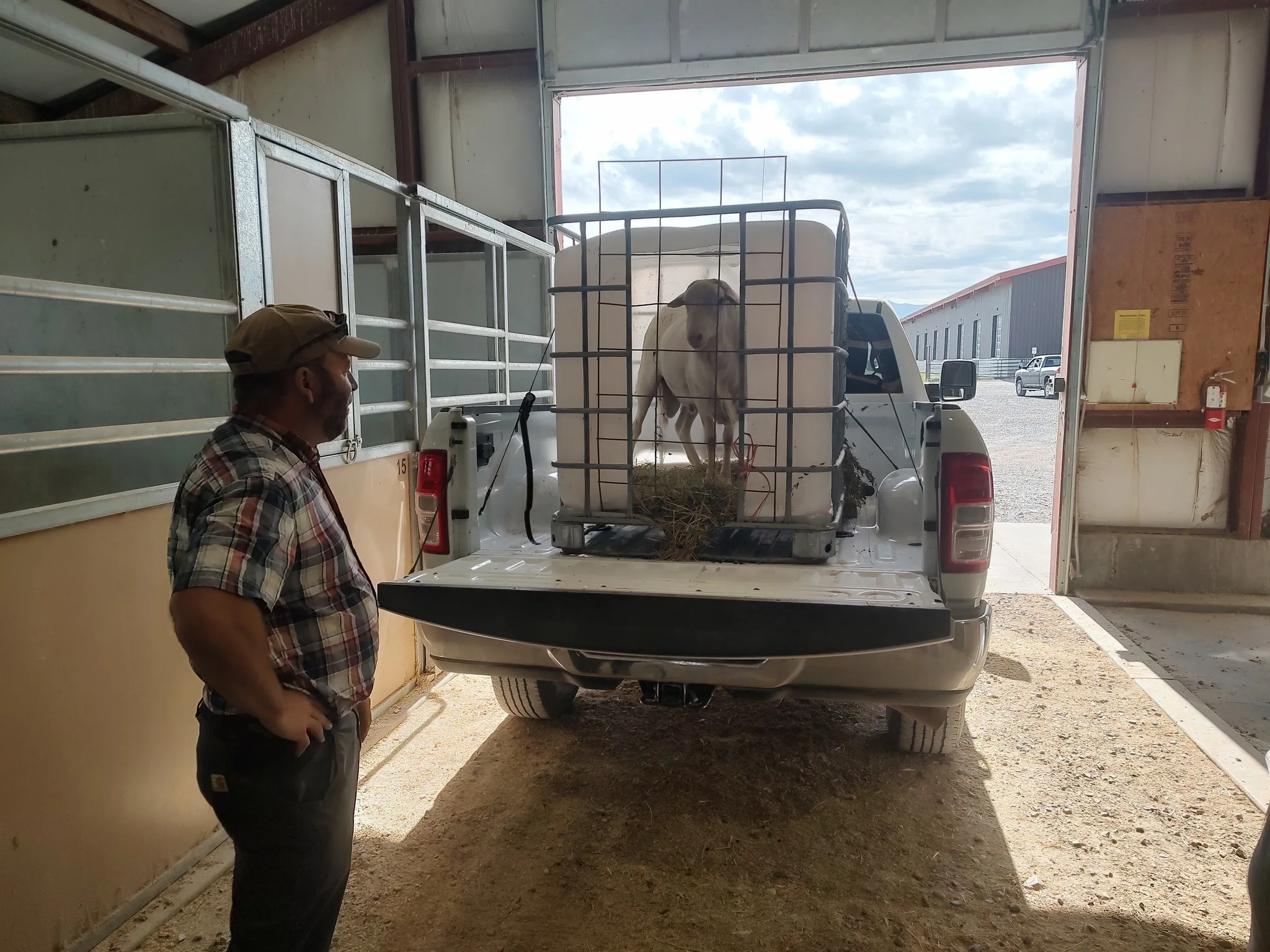
The Utah State University Shepherd’s Symposium was held on September 12 and 13 in Wellsville, Utah. The event included two days of education for sheep producers presented by industry experts including those who were vital to the introduction and development of St. Croix sheep on the mainland U.S.A. More than 20 people attended in person, and an additional 19 participated virtually. A few members traded sheep while there to deepen genetics in their flocks.
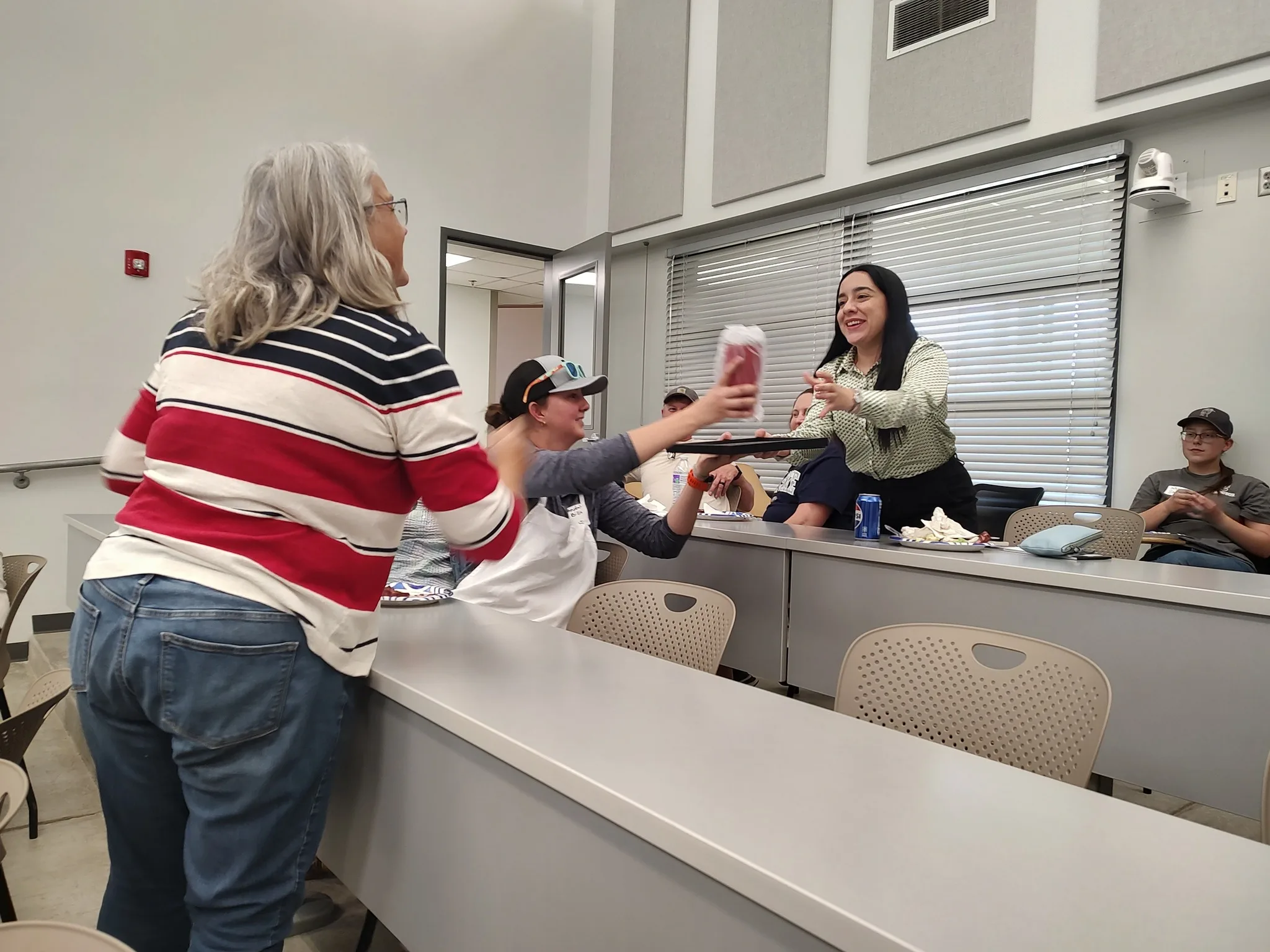
We owe our success to several dedicated individuals and organizations. Dr. Chad Page, Sheep and Goat Specialist at Utah State University was our gracious host. We cannot thank him enough! Superior Farms donated the delicious lamb chops served at the banquet. Justin Clawson of the USU Extension Office and members of the USU Sheep and Goat Club managed all the food service and facility set up.
Every sip from this exclusive stainless steel tumbler puts the spotlight on our incredible sheep while fueling SCHSB’s mission to spark education and passion for these amazing animals. Once they’re sold out, they’re gone for good! Why You Need It NOW:
Double-walled insulation locks in hot coffee or iced tea for up to 6 hours – perfect for day trips!
Spill-resistant snap-on lid + slide-top sip = zero mess, all adventure.
16 oz, BPA-free, lead-free, CA Prop 65 compliant – built safe, built tough.
Act Fast: Supporters are snapping these up to show their love for our sheep – don’t miss out! Secure yours before the flock runs dry!
A survey to help members clean up their flock lists is happening now on Grassroots. From November 1, 2025 to April 30, 2026, the first time you log in to Grassroots, you will be shown a list of your active flock.
Please take the time to mark any animals that have died, or that have been sold commercial (sold to ZZZZZ). Click ‘Submit’ to return to your flock listing. You will only be asked to do this ‘survey’ the first time you log in during this period, but it’s always a good idea to keep your flock list up to date. There is never a fee to mark an animal as dead, or as sold commercial.
Taking the time to do this will help maintain an accurate census of active registered St. Croix sheep – an important marker of the growth of the breed across the country.
Several attendees of the USU Shepherds Symposium had the pleasure of an informal chat with Mr. Cole Evans on the evening of September 10, 2025. Cole was a graduate student who was working with Dr. Warren Foote when the founding flock was imported to Utah State University. Mr. Evans still raises St. Croix sheep on his ranch in Utah and plans to obtain a new ram from USU for breeding season this year.
Some Things Change, Some Stay the Same
He compares the size of today’s sheep with those from the import, stating that they are much larger now. When he looked at the lambs in USU’s flock, he was visibly impressed with their size. When asked how the USU flock looks now compared to those from the past, he said “They looked just like this only miniature.”
Mr. Evans describes the fertility, fecundity, and prolificacy of our sheep in accelerated lambing, and those traits are still common today. Our sheep rarely require assistance during lambing, and Mr. Evans reports he often had to remind students to leave them alone because they wanted to pull lambs. When Dr. Page asked if the sheep were friendly then, he said “They were always friendly.”
The First Flock
Cole explains that the first set of sheep were selected from several farms on the island of St. Croix. The university was interested in them because they “were so different” reproductively. The team chose sheep that were white and without horns because it was believed that they were most likely to be “pure.” However, he also says that while on the island, he saw sheep of other colors and with spots running among the white sheep. Several of the ewes they imported were pregnant, and for the first couple of generations, some of the lambs had spots or even small horns/scurs. The team at USU chose to cull those animals, but he was unsurprised to learn that color still pops up in flocks.
St. Croix as a Meat Breed
Mr. Cole Evans shared his observations at one of the local livestock auctions, stating that ethnic populations “…buy up these hair sheep a lot faster than wool.” He described a meat quality panel at USU in which the meat from six different sheep breeds (Dorper, Rambouillet, Suffolk-type commercial, crossbreds, and St. Croix) was compared for juiciness, flavor, and tenderness. “The St. Croix were the favorite on all three …” with Dorpers in second place and St. Croix-Dorper crossbreds in third. Wool sheep were the least favorite. The study was published by Dr. Bunch after Cole retired.
Attend the Utah State University Shepherd’s Symposium to participate in two days of education for sheep producers. This is a unique opportunity to learn from industry experts and enhance your shepherding skills. Anticipate engaging sessions and valuable networking opportunities. Join us at our Celebratory Banquet to commemorate the 50th Anniversary of USU’s importation and importance of the St. Croix breed. Let’s reflect on the journey, share stories, and honor this iconic landmark. Don’t miss out on this unique opportunity to connect with fellow enthusiasts and history buffs. See you there!
Our Speakers
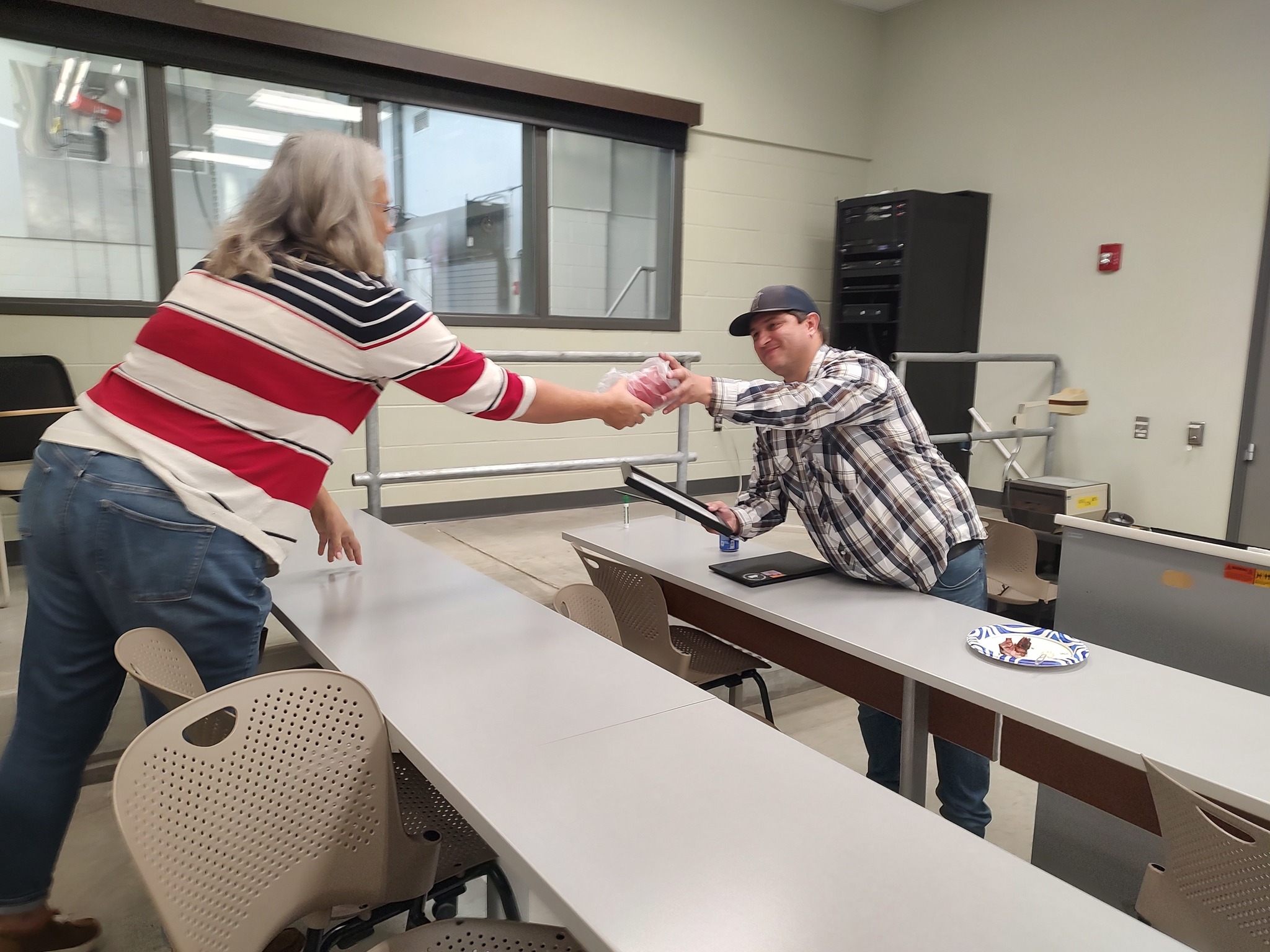
R. Cole Evans, MS Cole was a graduate student at Utah State University when the first St. Croix sheep flock arrived. He was deeply involved in Dr. Warren Foote’s research with the breed and is listed as the author, co-author, or contributor of several studies. Cole’s signature adorns the initial registration applications as he helped establish the first breed association. Mr. Cole Evans also traveled to the Virgin Islands to collect semen and embryos to expand the genetic diversity of the continental flock.
Dr. Chad PageAnimal Dairy & Veterinary Sciences, Sheep and Goat Specialist, Utah State University Chad works for Utah State University as the Sheep and Goat Extension Specialist. He also teaches a variety of classes at the university, including sheep and wool management. Chad has worked across the intermountain west conducting applied sheep research while he obtained his Bachelor, Masters, and PhD degrees. His research interests include sheep nutrition, production, and mastitis.
Dr. Scott Bowdridge, Program Coordinator of Animal and Nutritional Sciences, Professor of Food and Animal Production, WVU Davis College of Agriculture & Natural Resources Dr. Bowdridge’s research interests are centered around improving small ruminant production. His basic research program is focused on identifying immune mechanisms necessary to clear helminth parasite infection using parasite-resistant St. Croix sheep as a model. Additionally, Dr. Bowdridge works with a team of faculty across the School of Food and Agriculture to evaluate grazing practices that will reduce the impact of gastrointestinal parasitism of grazing livestock.
Dr. Stephan Wildeus, Research Professor at Virginia State University Dr. Wildeus received his B.S. in Animal Science from Montana State University, USA, a Ph.D. in Animal Reproduction from James Cook University, Australia, and completed a postdoctoral fellowship at Texas A&M University. He initially worked at the Agricultural Experiment Station at the University of the Virgin Islands on St. Croix and has been a research scientist at the Agricultural Research Station of Virginia State University since 1992. His research has focused on small ruminant breed evaluation, accelerated mating, assisted reproduction, and more recently on pasture-based production systems. Dr. Wildeus also has an interest in small ruminant breed resource preservation and serves as chair of Small Ruminant Advisory Committee of the USDA National Animal Germplasm Program. He has served on the editorial boards of Small Ruminant Research and the Journal of Animal Science.
Dr. Dustin Ranglack, Predator Project Leader and Utah Field Station Leader for the National Wildlife Research Center Dr. Dustin Ranglack’s research is focused on human-wildlife conflicts with predators. Studies include testing nonlethal tools for preventing conflict, measuring the impact of carnivores on livestock and wildlife species, and applied biology and ecology of large carnivores
Dr. Kevin Welch & Dr. Clint Stonecipher, USDA Agricultural Research Service, Poisonous Plant Research The Poisonous Plan Research Laboratory investigates poisonous plants and their toxins, determines how the plants poison animals, develops diagnostic and prognostic procedures, identifies the conditions under which poisoning occurs, and develops management strategies and treatments for ranchers to reduce livestock losses.
Dr. Andrea Rios Lugardo, Research Assistant Professor of Animal Science, University of the Virgin Islands Dr. Rios is the Animal Science Program Leader at the University of the Virgin Islands. She holds a bachelor’s and a master’s degree in Animal Science from the University of Puerto Rico, with a focus on growth performance, meat quality, and heat stress in sheep production in the Caribbean. Her Ph.D. was obtained on the University of Arizona on the program of Animal & Comparative Biomedical Science, during her Ph.D., Dr. Rios worked with the physiology of heat stress on ruminants, focusing on growth promoter on beef cattle exposed to heat stress and the milking production, offspring performance and insulin secretion on ewes exposed to maternal heat stress and their lambs. Currently, she is conducting research on parasite infection, heat stress, and growth performance in St. Croix White Hair sheep and a new crossbreed between the Dorper breed and St. Croix White Hair sheep.
Dr. Andrew Weaver, Extension Specialist, Small Ruminants, North Carolina State University Dr. Weaver grew up in central Michigan and attended Michigan State University where he earned his B.S. in Animal Science in 2015. He completed his M.S. at Virginia Tech in 2017 studying terminal sire options for hair sheep producers. That research led him to West Virginia University where he completed his Ph.D. studying immune mechanisms related to parasite resistance. Dr. Weaver’s research and extension interests focus on utilization of genetic tools and other management practices to improve parasite resistance, production efficiency, and end-product value of small ruminants in the Southeast US.
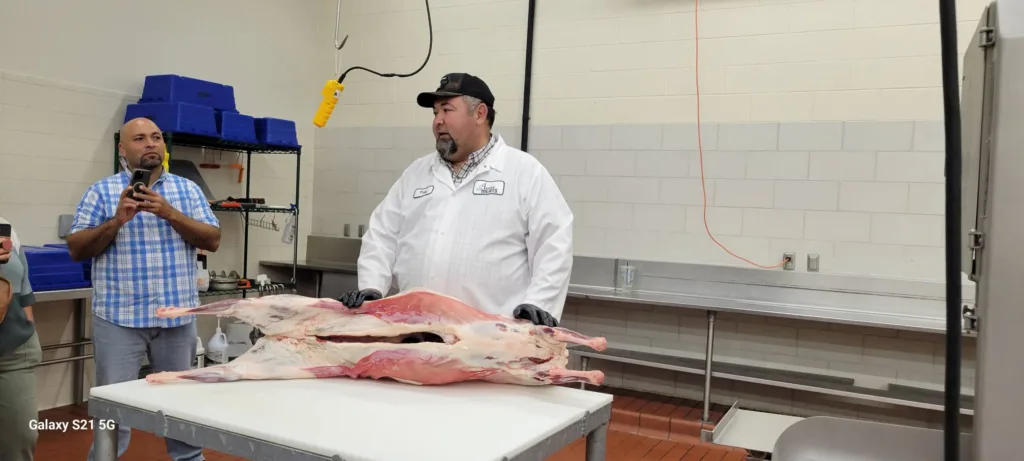
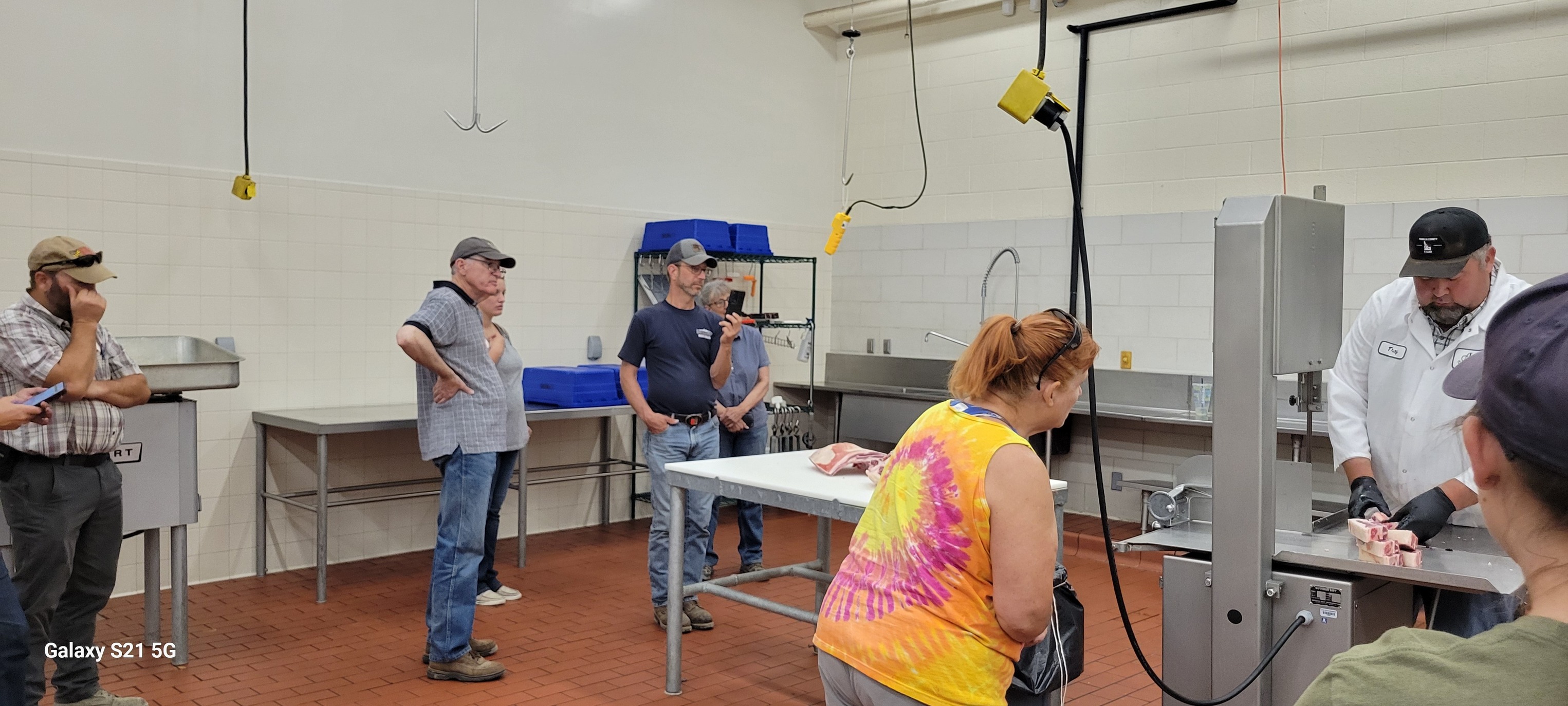
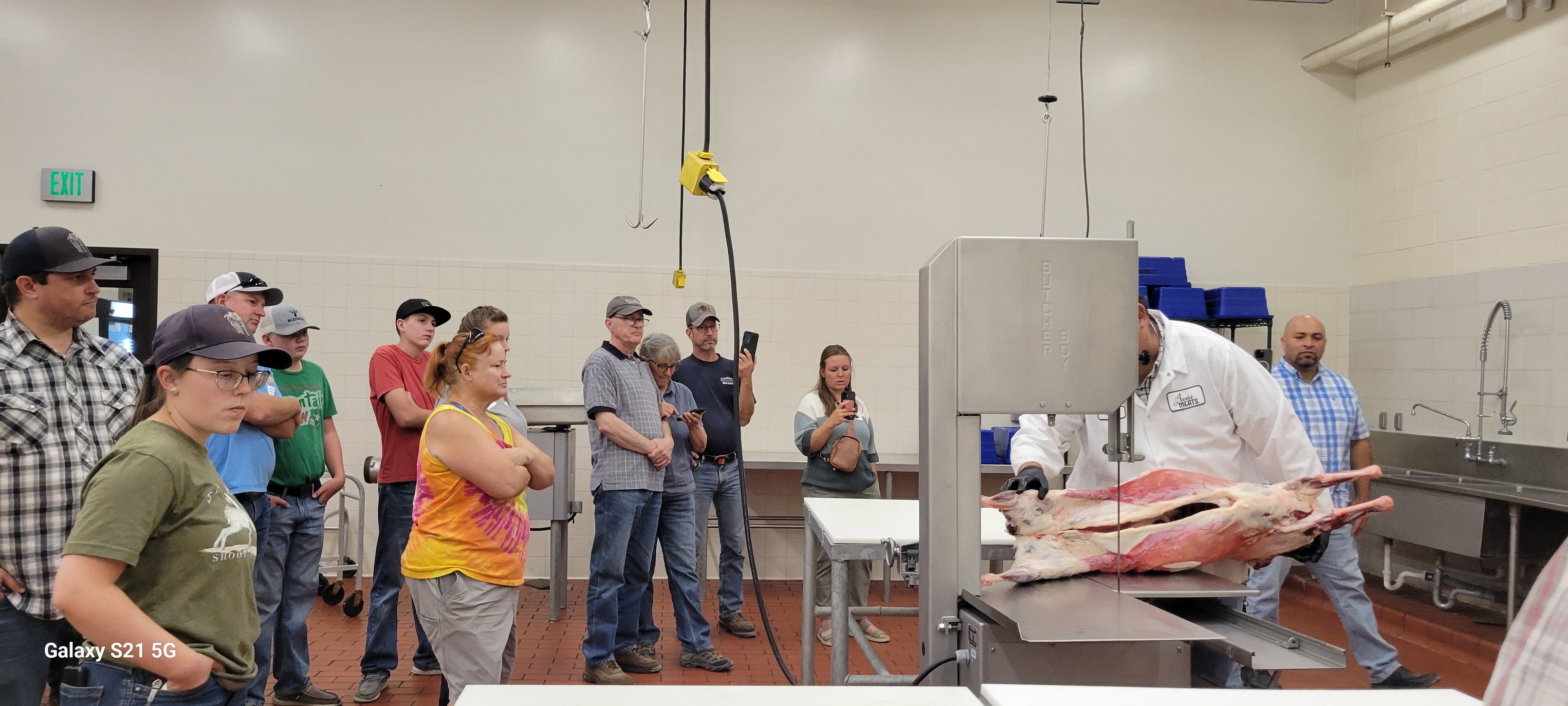
Troy Bird, Nutrition, Dietetics & Food Sciences Meat Lab Manager at Utah State University
Justin Clawson, Utah State University Extension, Assistant Professor, Agriculture & Natural Resources, Cache County
Lunch & Welcome Message Dr. Chad Page, Utah State University
✅
1:30pm
Review of St. Croix Research: Past and Present Dr. Stephan Wildeus, Virginia State University
✅
2:45pm
St. Croix Sheep as a Model for Immune Function and Parasite Resistance Dr. Scott Bowdridge, West Virginia University
✅
4:00pm
St. Croix White Hair sheep and the Future of Sheep Production Dr. Andrea Rios Lugardo, University of the Virgin Islands
5:00pm
Break and Networking with Exhibitors
✅
6:00pm
BANQUET – Sponsored by Superior Farms
Celebrating 50 Years of St. Croix Sheep Special video message from Dr. Warren Foote. Panel discussion with St. Croix researchers and presenters. Presentation of Awards from SCHSB.
8:00pm
SCHSB Social (location TBD)
Day Two: Saturday, September 13
Virtual Option
Time
Session Title
✅
8:00am
National Sheep Improvement Program-A Tool for Seedstock & Commercial Producers Dr. Andrew Weaver, North Carolina State University Extension
✅
9:00am
Predator Management: the USDA Predator Ecology & Behavior Project Dr. Dustin Ranglock, USDA APHIS NWRC
✅
10:00am
Poisonous Plant Identification Dr. Kevin Welch and/or Dr. Clint Stonecipher, USDA Poisonous Plant Research Laboratory
11:00am
Lunch and Networking with Exhibitors Sponsored by St. Croix Hair Sheep Breeders
12:00pm
Using Drones on Pasture Justin Clawson, USU Extension
12:30pm
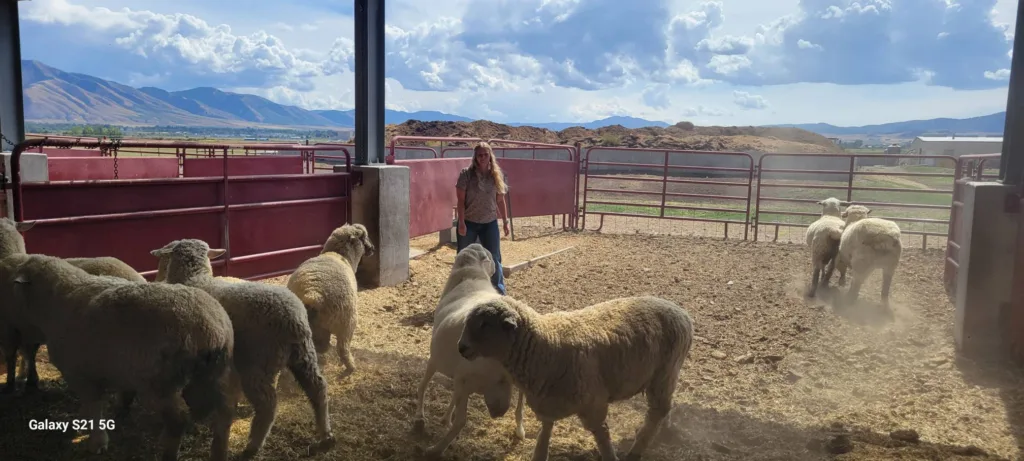
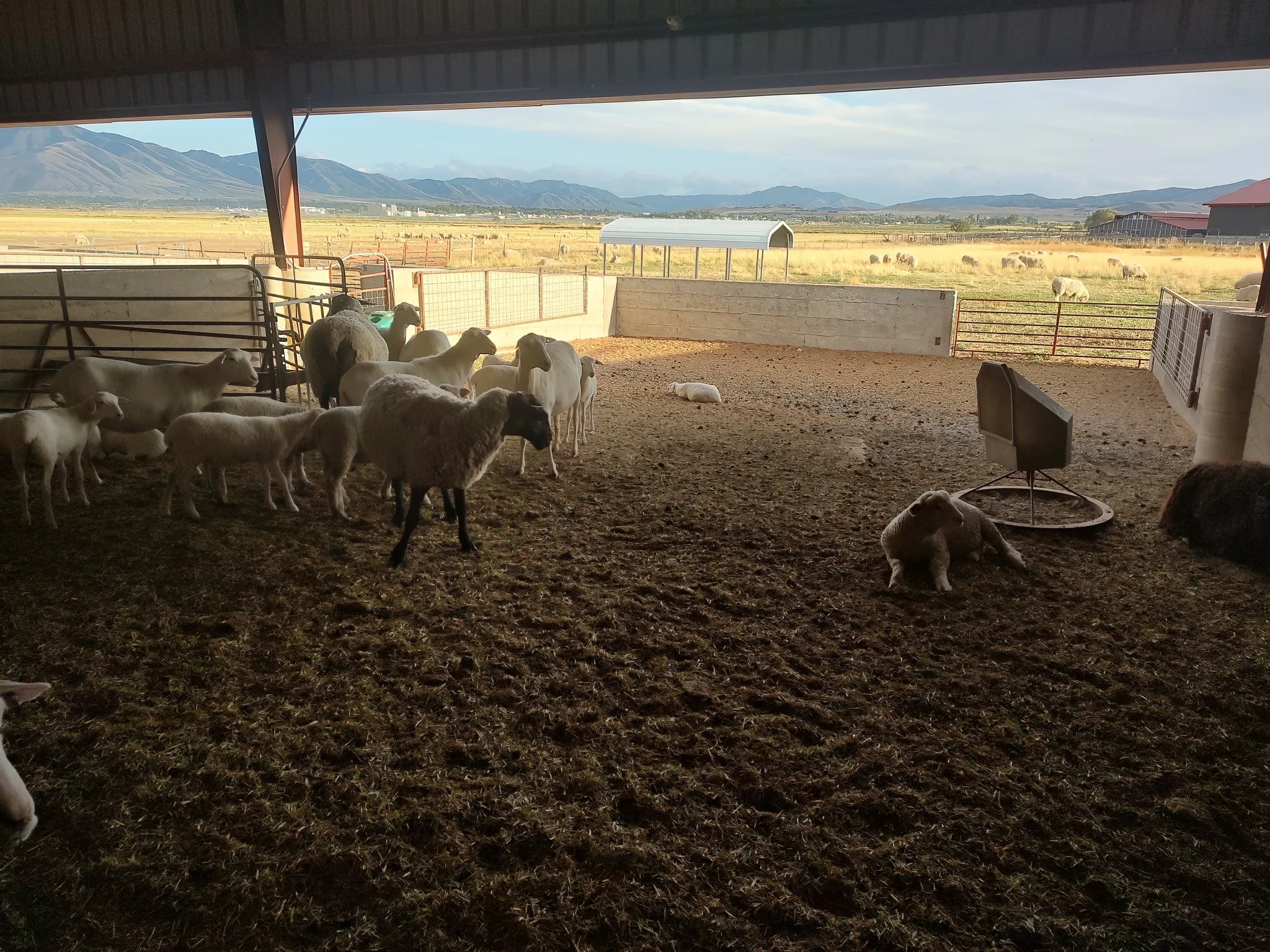
Tour the Utah State University Sheep Facility USU Faculty and Staff
Registration grants access to all educational sessions both days and includes lunch on Friday as well as breakfast and lunch on Saturday. SCHSB members enjoy a discount with a Promo Code. The code will be sent to active members via email in mid-April and will be posted in the news section of the Grassroots registry system’s member dashboard in late March. If you have difficulty finding the promo code, please contact us.
Early Registration (closes August 1) – $50 for nonmembers, $35 for SCHSB members with code
Late Registration – $60 for nonmembers, $45 for SCHSB members with code
Family Member Registration (up to 3 with each full registration) – $35 each
Single-Day Registration also available for In-Person ($35) or Virtual ($10-$15) attendance
$25 per Plate – Registrants are invited to attend this special celebratory banquet held Friday evening. Special guests will include those who were pivotal to the importation, development, and early research of the St. Croix breed, as well as a discussion of the breed’s future.